
We talk a lot about food, what people eat, what they should eat, what they shouldn’t eat. Food is rarely the starting point. It’s the outcome.
I’ve seen this first hand. Families given good food, with the right intentions behind it, but still struggling. Not because they don’t care, but because the conditions aren’t there. Time is tight, money is stretched, equipment is limited, energy is low and confidence is fragile.
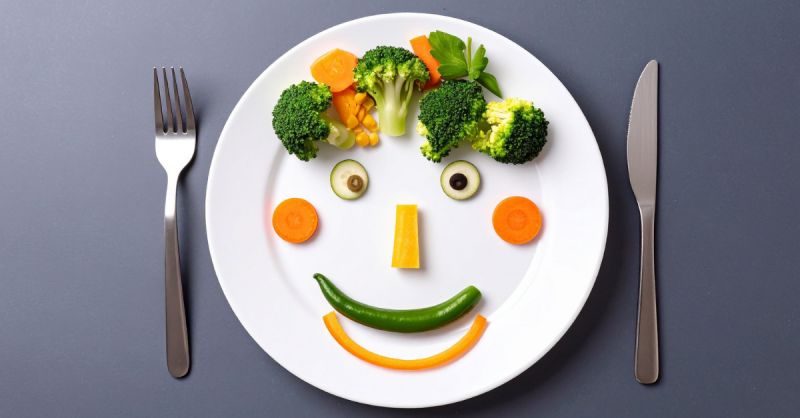
The plate doesn’t change and if it does, it doesn’t last for very long.
I really think that health isn’t created at the moment food is served. It’s shaped long before that. In homes, routines, systems, environments. Whether life feels stable or constantly on edge.
That’s why food alone won’t solve food insecurity. It can open the door, help build trust and start a conversation. But if we stop there, we’re treating symptoms, not causes.
We see the consequences everywhere. From classrooms to communities. From behaviour to long term health outcomes.
Through the National School Pantry Network, we’re trying to do something different.
Not just change the plate but change the conditions behind it.
When conditions shift, food changes and health can improve.
