
In today’s world, an increasing number of individuals are dealing with food allergies and dietary restrictions, making it crucial for society to embrace comprehensive food education. Food education serves as a powerful tool in not only raising awareness but also promoting empathy and understanding towards those with specific dietary needs.
Understanding the Prevalence of Food Allergies and Dietary Restrictions:
The first step in addressing food allergies and dietary restrictions is acknowledging their prevalence. According to recent studies, millions of people worldwide suffer from food allergies, and the number is steadily rising. Additionally, many individuals choose to follow specific diets for religious, cultural, ethical, or health reasons. Food education can bring attention to the diversity of dietary needs and foster an inclusive mindset.
Spreading Awareness of Common Allergens and Dietary Requirements:
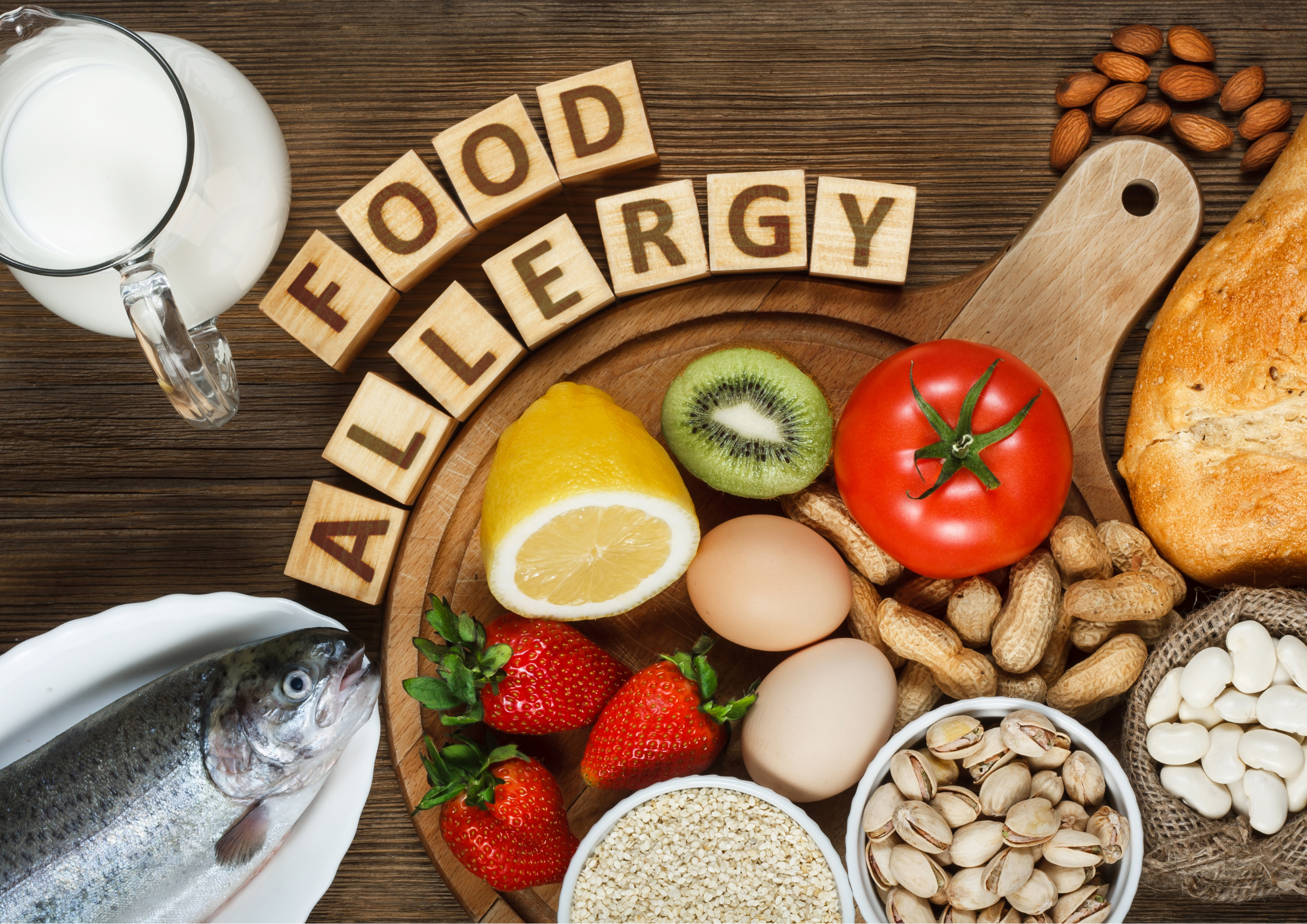
Food education must focus on spreading awareness about common allergens, such as peanuts, tree nuts, dairy, eggs, gluten, soy, fish, and shellfish. People need to learn how to identify these allergens on food labels and understand cross-contamination risks. Similarly, food education should encompass various dietary requirements like vegan, vegetarian, halal, kosher, and gluten-free diets, among others.
Promoting Safe Practices in Food Preparation:
Proper food handling and preparation are essential in preventing allergic reactions or accidental consumption of restricted foods. Food education can disseminate information about food safety practices, including cleaning utensils thoroughly, avoiding cross-contamination, and following proper storage techniques.
Encouraging Empathy and Support:
Food allergies and dietary restrictions can sometimes lead to social isolation and stigmatisation. Food education should emphasise the importance of empathy and support for individuals with specific dietary needs. Creating a culture of understanding and respect can help reduce the emotional burden experienced by those affected and build a more inclusive community.
Empowering Schools and Institutions:
Schools, restaurants, and other public institutions play a significant role in accommodating individuals with food allergies and dietary restrictions. By implementing food education programmes, these establishments can train their staff to recognise allergens and prepare meals safely. This will create safer environments for those with special dietary needs.
Collaboration with Healthcare Professionals:
Food education should involve collaboration with healthcare professionals, including allergists and dietitians. These experts can provide up-to-date information on food allergies and dietary restrictions, ensuring that the education provided is accurate and reliable.
Teaching Recipe Adaptations and Substitutions:
Food education can equip individuals with the knowledge and skills to adapt recipes and find suitable substitutions for common allergens or restricted ingredients. This empowers people to enjoy a diverse range of dishes without compromising on taste or nutrition.
Utilising Online Resources and Apps:
In the digital age, online resources and mobile apps can be valuable tools for food education. These platforms can offer ingredient analysis, recipe ideas, and allergy-friendly restaurant guides, making it easier for individuals to manage their dietary needs.
