
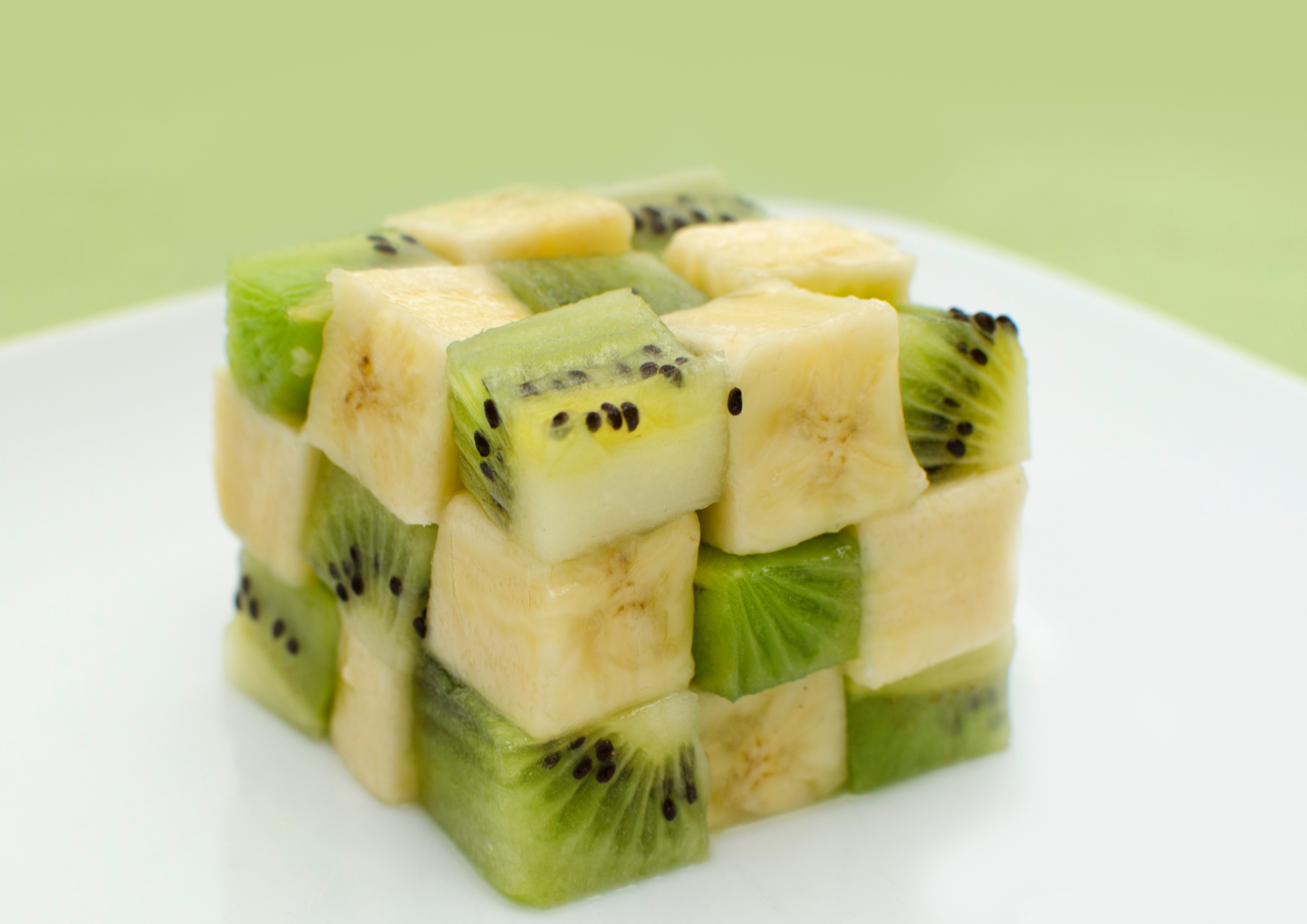
Food education can play a significant role in fostering creativity and developing culinary skills.
1. Hands-On Cooking Experiences:
- Provide opportunities for students to actively participate in preparing meals. Hands-on cooking experiences allow them to experiment with flavours, textures, and ingredients, encouraging creativity.
2. Recipe Adaptations:
- Encourage students to modify recipes by substituting ingredients, adjusting flavours, or adding their unique twists. This promotes creative thinking and experimentation.
3. Cooking Challenges:
- Organise cooking challenges or competitions that require students to create dishes using specific ingredients or following certain themes. This sparks creativity and encourages thinking outside the box.
4. Cultural Exploration:
- Introduce students to different cuisines and culinary traditions from around the world. Learning about diverse food cultures can inspire creativity in combining flavours and techniques.
5. Ingredient Exploration:
- Explore uncommon or seasonal ingredients, encouraging students to brainstorm how to incorporate them into dishes. This promotes thinking creatively about new and unfamiliar elements.
6. Food Pairing and Tasting Activities:
- Conduct tasting sessions that involve pairing different foods together to understand how flavours complement each other. This cultivates a sense of culinary experimentation.
7. Menu Planning:
- Task students with designing their own menus for balanced meals. This requires them to consider nutritional aspects, flavours, and presentation, fostering creative culinary thinking.
8. Food Presentation:
- Teach the importance of food presentation and plating. Encourage students to present their dishes attractively, using colours, textures, and arrangement creatively.
9. Culinary Artistry:
- Explore food as an art form by teaching techniques like food carving, garnishing, and creating visually appealing dishes.
10. Food Science Exploration:
- Incorporate scientific principles, such as understanding how ingredients interact during cooking, to encourage students to experiment and innovate.
11. Storytelling Through Food:
- Encourage students to create dishes inspired by stories, memories, or emotions. This adds a creative narrative to their culinary creations.
12. Guest Chefs and Workshops:
- Bring in guest chefs or culinary experts to conduct workshops and share their creative approaches to cooking and flavour combinations.
13. Food Innovation Projects:
- Assign projects that challenge students to create new recipes or food products that meet specific criteria. This encourages problem-solving and inventive thinking.
14. Culinary Arts Clubs or Extracurricular Activities:
- Establish clubs or activities that provide students with a platform to further explore culinary creativity beyond the classroom.
