
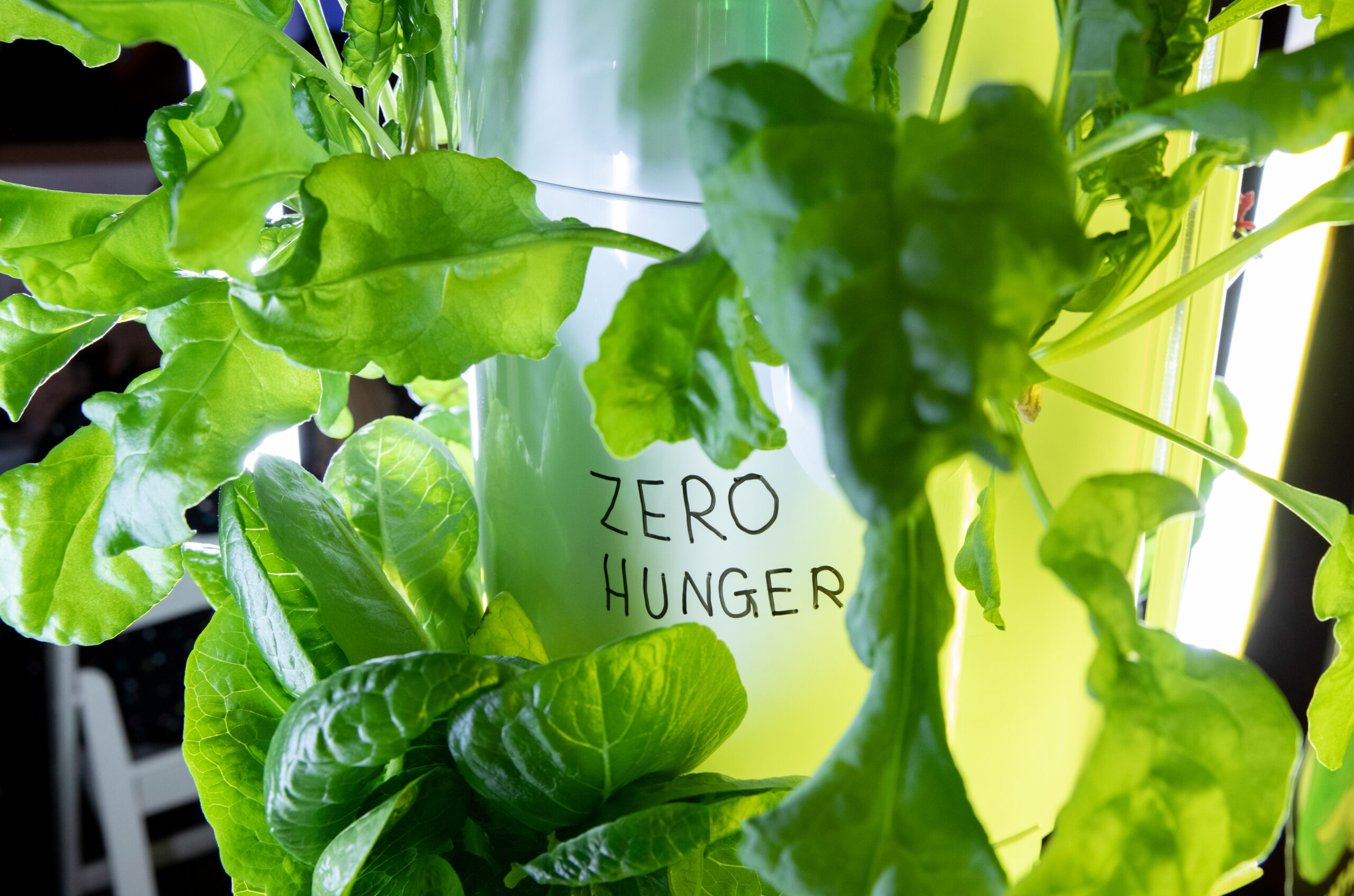
Food education has the potential to address issues of food justice and equity by promoting awareness, knowledge, and action towards creating a more equitable food system.
- Understanding Food Systems: Food education helps students understand the complex dynamics of food systems, including production, distribution, and consumption. It explores the factors that contribute to food inequities, such as limited access to fresh and healthy food in certain communities, food deserts, and unequal distribution of resources. By gaining insights into these issues, students can develop a sense of empathy and a commitment to addressing food justice.
- Promoting Nutritional Knowledge: Food education equips students with essential nutritional knowledge, emphasising the importance of a balanced diet and the role of healthy eating in overall well-being. Students learn about the consequences of food disparities and how limited access to nutritious food can lead to health disparities, particularly in marginalized communities. By understanding the link between nutrition and health, students are empowered to advocate for equal access to healthy food for all.
- Community Engagement: Food education encourages students to engage with their local communities to address food justice issues. This can involve volunteering at local food banks or community gardens, supporting initiatives that increase access to fresh produce, or partnering with organisations working towards food equity. By actively participating in community efforts, students learn the value of community engagement and gain first hand experience in addressing food justice challenges.
- Sustainable Agriculture and Food Systems: Food education promotes an understanding of sustainable agricultural practices and their potential to address food justice. Students learn about sustainable farming techniques, such as organic farming, urban agriculture, or community-supported agriculture. They explore how these practices can enhance food security, reduce environmental impact, and create opportunities for local food production in underserved areas.
- Advocacy and Policy Awareness: Food education encourages students to become agents of change for positive change in the food system. Students can learn about food policies, food governance, and the role of advocacy in promoting food justice. By understanding the systemic issues that contribute to food disparities, students are empowered to voice their concerns, engage in policy discussions, and support initiatives that promote equitable food access.
- Food Waste Reduction: Food education addresses the issue of food waste and its connection to food justice. Students learn about the environmental and social impacts of food waste and explore strategies to reduce waste at individual, community, and systemic levels. By emphasising the importance of minimizing food waste, students contribute to more sustainable and equitable food systems.
- Cultural Sensitivity and Inclusion: Food education incorporates diverse cultural perspectives and experiences, highlighting the importance of cultural sensitivity and inclusion in addressing food justice. Students learn about the unique challenges faced by different communities and explore cultural food practices and traditions. This understanding helps students recognise and challenge biases, stereotypes, and inequities related to food access and consumption.
- Food Entrepreneurship and Economic Empowerment: Food education can empower students by exploring opportunities in the food industry, such as entrepreneurship, small-scale farming, or community-based food initiatives. By fostering an entrepreneurial mindset, students gain insights into economic empowerment and explore ways to address food justice through economic initiatives that create opportunities and support local economies.
- Food Education Policy and Implementation: Food education can advocate for policy changes that prioritise food justice and equity in educational settings. This can include incorporating food justice into curriculum guidelines, providing resources for teachers to address food justice issues in the classroom, and supporting community partnerships to enhance food access and education.
