
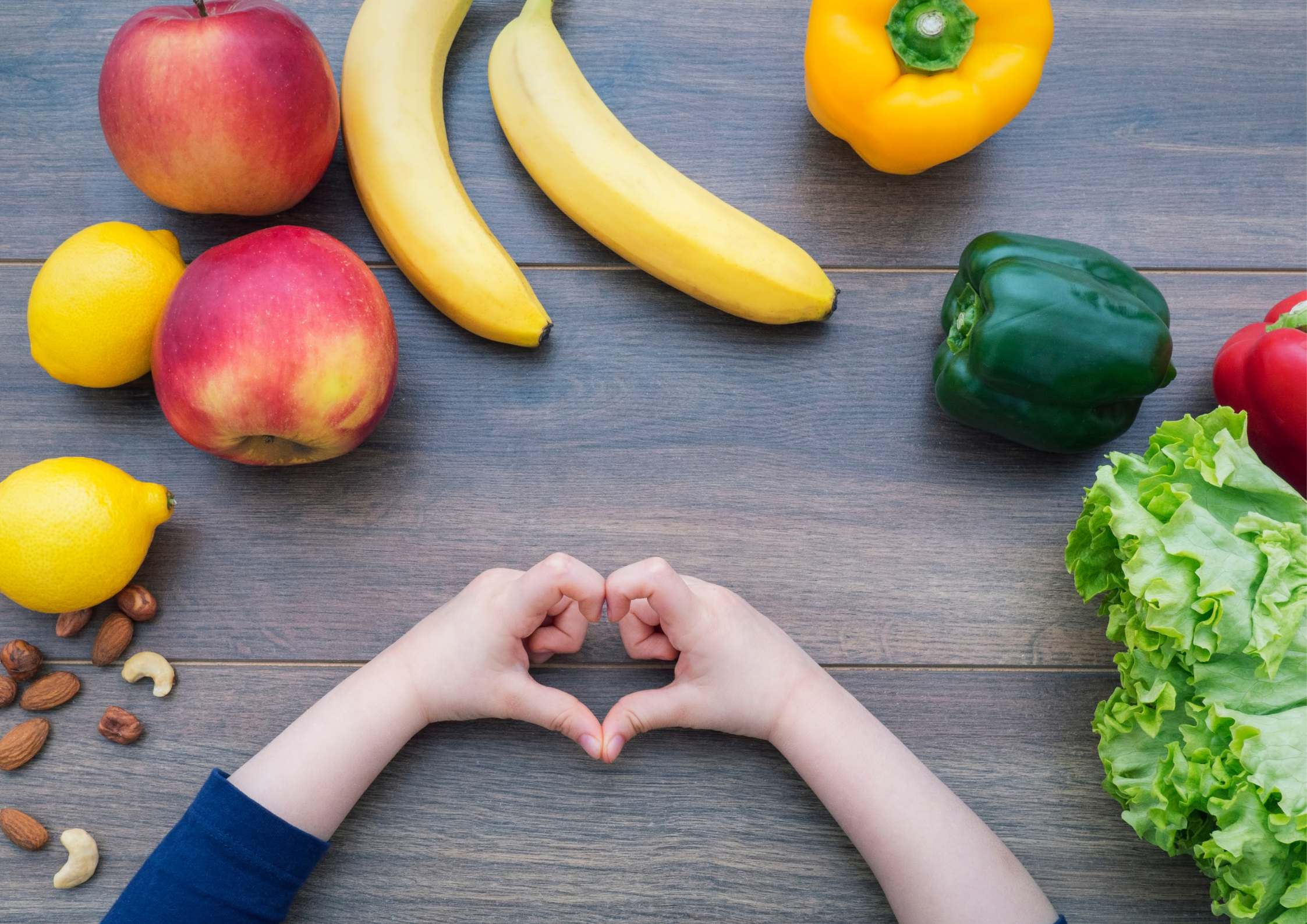
Adapting food education for different age groups and learning abilities is essential to ensure effective learning and engagement.
EYFS and KS1
- Sensory Exploration: Focus on hands-on experiences that engage the senses, such as touching, smelling, and tasting different foods.
- Basic Concepts: Introduce simple concepts like colours, shapes, and textures of foods. Teach basic hygiene practices and the importance of sharing meals.
- Storytelling: Use age-appropriate stories and interactive activities to teach about where food comes from and how it’s grown.
- Creative Activities: Incorporate arts and crafts, like making vegetable prints or fruit skewers, to foster creativity and exploration.
KS2
- Nutrition Basics: Introduce the concept of balanced diets and the importance of different food groups.
- Cooking Skills: Teach basic cooking skills, like chopping, measuring, and following simple recipes. Encourage students to prepare healthy snacks.
- Food Sources: Discuss the sources of food, including farming, agriculture, and the role of local and global food systems.
- Food Safety: Teach food safety practices, such as proper handwashing and safe food storage.
KS3 and KS4
- Nutrition Science: Dive deeper into the science of nutrition, including macronutrients, micronutrients, and their effects on the body.
- Critical Thinking: Engage students in discussions about food marketing, fad diets, and the importance of critical thinking when evaluating food-related information.
- Culinary Skills: Teach more advanced cooking techniques and meal planning to empower students to prepare balanced meals at home.
- Food Ethics: Discuss ethical considerations related to food choices, including environmental impacts, animal welfare, and cultural perspectives.
Enrichment and differentiation:
- Visual Aids: Use visuals, such as pictures, diagrams, and charts, to simplify complex concepts.
- Hands-On Learning: Provide tactile experiences and hands-on activities to enhance understanding.
- Individualised Approach: Tailor instruction to individual learning styles and needs, providing additional support when necessary.
- Repetition and Reinforcement: Use repetition and reinforcement techniques to help with memory retention.
- Real-Life Scenarios: Create scenarios that relate to the students’ daily lives to help them apply food education concepts.
- Cultural Sensitivity: Incorporate a wide range of cuisines and food traditions to promote cultural understanding and appreciation.
- Multilingual Materials: Provide educational materials in different languages to ensure inclusivity.
- Cultural Context: Connect food education to cultural practices and traditions to make learning more relevant
