
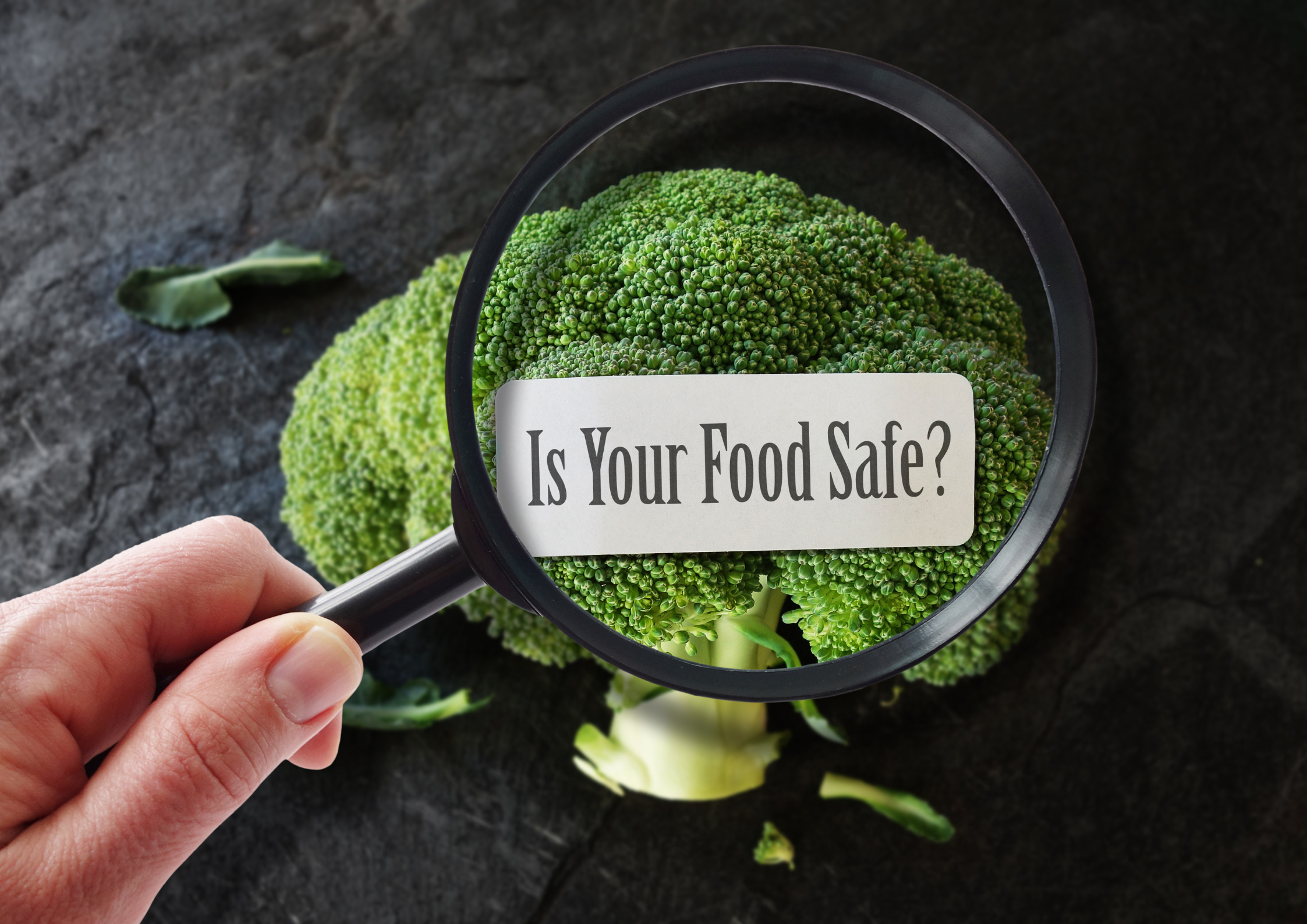
Teaching students about food safety and proper handling is crucial to ensure their well-being and prevent foodborne illnesses.
Interactive Workshops and Demonstrations: Conduct hands-on workshops and demonstrations that simulate real-life scenarios of food preparation and handling. Show students proper techniques for washing, cutting, cooking, and storing food safely. Use visual aids, such as videos and props, to enhance the learning experience.
Visual Aids and Infographics: Create visually appealing posters, infographics, and charts that outline key food safety principles, such as proper handwashing, safe cooking temperatures, and cross-contamination prevention. Display these materials in classrooms, cafeteria areas, and other high-traffic locations.
Guest Speakers and Experts: Invite local health inspectors, nutritionists, chefs, or food safety experts to give presentations or talks on food safety practices. These experts can share real-world insights, answer questions, and provide practical tips for safe food handling.
Interactive Games and Quizzes: Develop engaging games, quizzes, or interactive apps that challenge students to identify food safety hazards, make safe food choices, and solve food handling scenarios. Gamified learning can make the subject more enjoyable and memorable.
Hands-On Cooking Classes: Organise cooking classes where students can learn how to prepare simple and nutritious meals while emphasising food safety practices. Teach them about proper ingredient storage, cooking techniques, and hygiene during meal preparation.
Field Trips to Food Production Facilities: Arrange visits to local farms, food processing plants, or commercial kitchens to give students firsthand exposure to the food production process. This experience can help them understand the importance of cleanliness, quality control, and safe handling at different stages of food production.
Role-Playing Activities: Engage students in role-playing activities that involve different roles in a food service setting, such as a chef, server, or health inspector. This allows them to experience and address food safety challenges from various perspectives.
Collaborative Projects: Assign group projects that require students to research and present on specific food safety topics, such as proper refrigeration, preventing cross-contamination, or the dangers of undercooked meats. Encourage them to use multimedia presentations, posters, or informative videos.
Storytelling and Case Studies: Share real-life stories and case studies of foodborne illness outbreaks and their causes. Discuss the consequences of improper food handling and highlight the importance of adhering to food safety guidelines.
Incorporate Food Safety into Curriculum: Integrate food safety lessons into relevant subjects, such as science, health education, home economics, or biology. This approach helps students see the practical applications of food safety principles in everyday life.
Parental Involvement: Share food safety tips and resources with parents, encouraging them to reinforce safe food handling practices at home. Provide take-home materials or organise family cooking events that emphasize food safety.
Online Resources and Webinars: Curate a collection of reputable online resources, videos, and webinars related to food safety. Encourage students to explore these materials independently or as part of their learning.
